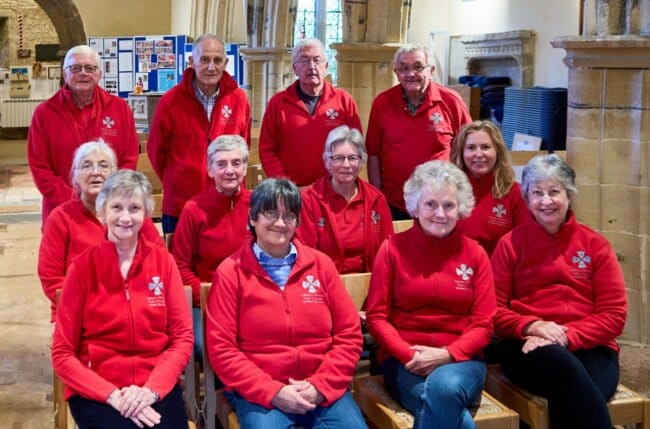
As your Guild Safeguarding Officer, I am here to assist with any Safeguarding issues you might have. Please do not hesitate to contact me with any Safeguarding queries, including any problems obtaining the relevant Disclosure and Barring Service Certificates (DBS) for your particular role.
I have many years of Safeguarding experience including during my service in the Police and as Safeguarding Officer for several other organisations and charities.
Notifying a concern
If someone is at immediate risk, call 999 and ask for the police.
If you think you have witnessed or heard a situation which you feel is abusive or threatening then you should report it to your Parish Safeguarding Officer (PSO), unless they are the alleged abuser or the alleged abuser is a Church Officer. In these cases, contact the Diocesan Safeguarding Adviser.
Concerns should be notified as soon as possible and definitely within 24 hours. Contact details will be displayed in the church porch / notice board in the church/ parish website. Also contact Frank Marshall, Guild Safeguarding Officer who will provide support and advice.
Make brief factual notes of the event/situation you witnessed as soon as possible, and date and time them accurately.
You can also contact the Salisbury Diocesan Safeguarding team by telephone, or email. The main contact email is:
safeguarding@salisbury.anglican.org
If your query is urgent or out of hours, you can also contact thirtyone:eight on 0303 0031111.
Further Information:
Further information on Diocesan Safeguarding is available at salisbury.anglican.org/safeguarding
Top Tips for safeguarding awareness
- A child/ young person is anyone under the age of 18.
- Always make sure that if you are teaching a young person a parent or another trusted adult is present. This second person must have a current DBS check if they are not the young person’s parent.
- Do not offer a young person a lift to and from church or other ringing activity without written permission from their parent/carer. If you do transport them, the young person must sit in the back of the car.
- Ensure you are aware of any special needs/ requirements the learner or young person has and you have information in writing by parent/carer.
- If a young person discloses anything ensure that you act on this and you do not promise the young person that you will not do/say anything. Make notes of the conversation as soon as possible to ensure an accurate record.
[This page last updated April 2026]