Raising and Lowering – West Dorset
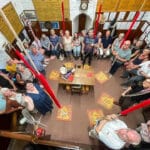
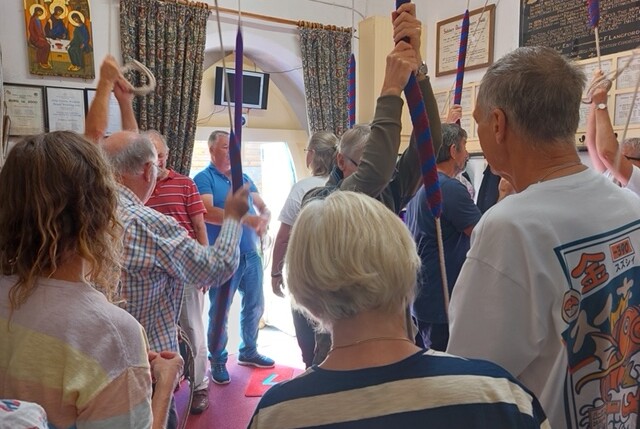
Sue Carter, Training Officer West Dorset Branch, led a basic Raising and Lowering course at the Bradpole Training Centre over 2 afternoons for 7 new learners. Ably assisted by 8 experienced trainers, the students benefitted from one to one tuition

DBS Checks – What are they and who needs them?
Guidance for Guild Members The Disclosure and Barring Service is a Government Agency set up to protect children and vulnerable adults from exposure to people who have relevant convictions or are ‘known to the police’. There is a statutory requirement
Let’s Focus on the Quality of our Performance
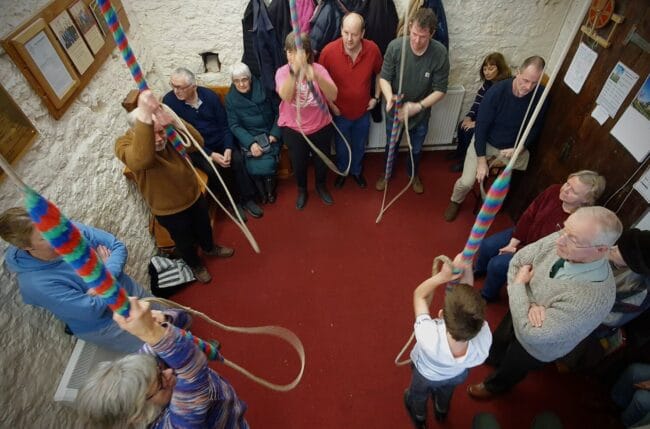
At its core, ringing is a skilled performance based activity. Many extra layers can add to a richer experience – art, science, heritage and social friendship – but underneath it all a ringer is a performer. That fact is often
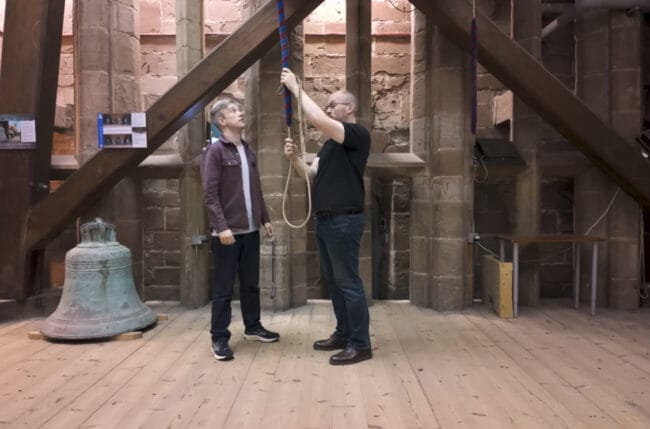
Tom Scott’s video on Learning Bellringing
The latest video from well-known YouTuber Tom Scott features bellringing and his attempt to learn at Worcester Cathedral – it’s fascinating in itself and would be a brilliant feature to share on your social media as part of a local
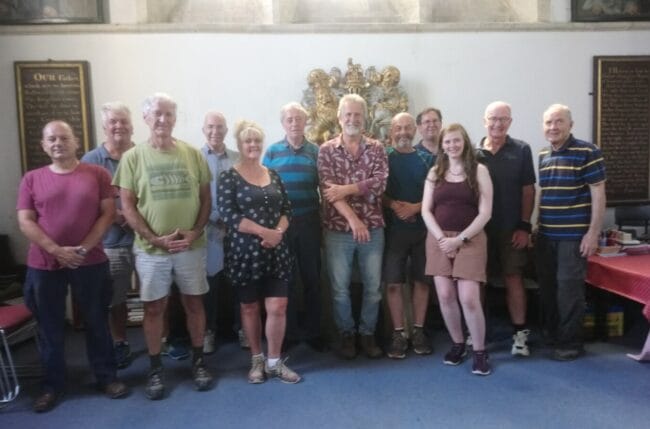
Steeple Keeping Course 11 July 2026
Despite it being a very warm day, our Guild Steeple Keeping Course was successfully held on Saturday 11 July 2026 tutored by David Godwin (Guild Belfry Advisor) and Chris Bush (DAC Bells Advisor). The morning session was held at Edington
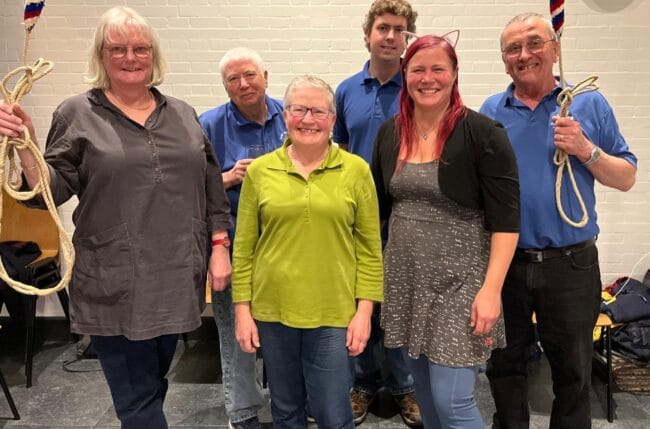
Introducing our new Guild Training Officer, Julia Russell
Julia Russell was elected as the Guild Training Officer at the recent Guild AGM and is looking forward to making a contribution to the development of ringing within the diocese. She (and her daughter Sophie) learnt to ring in 2009

Odd-struck bells and how to ring them better
As we develop as bell ringers we may often hear more refined and experienced ringers talk about a bell being “odd-struck”. They may offer us advice such as, “you need to pull that one in at handstroke” or “keep off
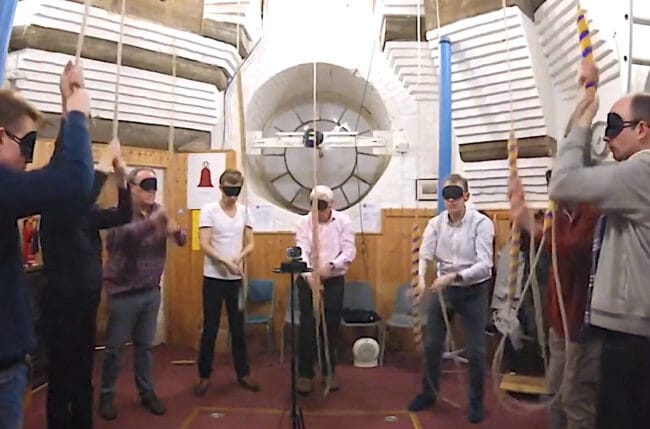
Learning from online videos
There is a quite remarkable video recording on YouTube of a band from Birmingham ringing Stedman Triples while blindfolded.
Spending 10 minutes listening to this and reflecting on the lessons we can learn from it will pay dividends on our